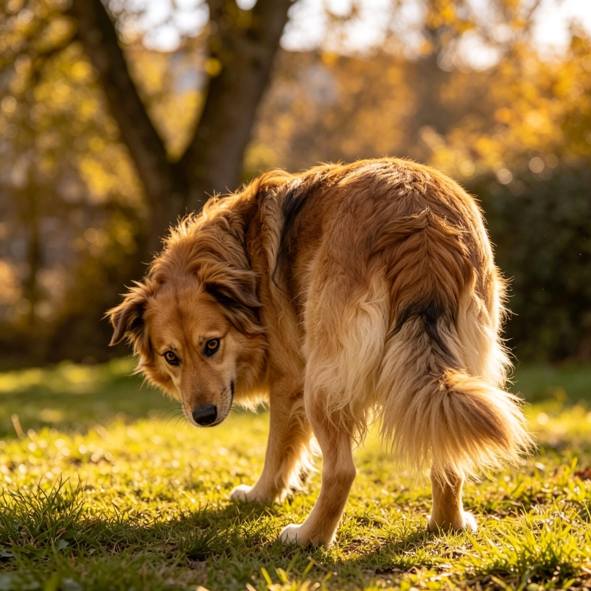
Coprophagia
Coprophagia, the behaviour of eating faeces, is surprisingly common in dogs and can be distressing or unpleasant for owners to manage. Dogs may consume their own faeces, the faeces of other dogs, or even those of other animals. While the behaviour is often viewed as abnormal or disgusting by humans, there are several reasons why dogs may engage in it.
In some cases, coprophagia may be linked to normal exploratory behaviour, particularly in puppies who investigate the world through scent and taste. Dogs may also be attracted to undigested food particles present in faeces or may learn the behaviour through environmental reinforcement. Stress, boredom, anxiety, lack of enrichment, or attention-seeking can also contribute.
Medical conditions should always be ruled out before beginning behaviour modification. Digestive disorders, malabsorption issues, parasites, nutritional deficiencies, diabetes, or medications that increase appetite may influence coprophagia. A veterinary assessment is therefore an important first step.
Punishment is not recommended, as it may increase anxiety or cause dogs to consume faeces more quickly in order to avoid confrontation. In some dogs, harsh reactions can create negative associations with toileting itself.
Successful management focuses on prevention and environmental control. Promptly removing faeces from gardens or walking areas greatly reduces opportunities for rehearsal. Using leads, supervision, and redirection can also help interrupt the behaviour safely.
Training alternative behaviours such as recall, leave, or focus exercises may improve impulse control and provide dogs with more rewarding activities. Increasing enrichment through scent work, food puzzles, play, and exercise can also reduce boredom-related behaviours.
Because coprophagia can have multiple contributing factors, treatment plans should be tailored to the individual dog. With consistency, management, and appropriate behavioural support, many dogs show significant improvement. A calm and understanding approach helps owners manage the behaviour effectively while supporting their dog’s overall wellbeing.